SINOLINKS · TRADE SIGNAL
Trade Signal.
A briefing on China trade — market, regulation, and the suppliers you're dealing with.
Subscribe
Pillars
What we cover
Field Notes
The red flags, ownership tricks, and paperwork gaps we see most often across the verifications we run.
Regulatory
What just changed at GACC, CNIPA, SAMR, and customs — and how it lands on your next deal.
Explainer
What the Chinese paperwork actually tells you — business licences, registries, customs filings.
Case Teardown
One deal picked apart — what the paperwork said, what due diligence surfaced, what we'd do differently.
Market Signals
Tariff moves, sector shifts, and trade-flow data that change what you should source, quote, or hedge next.

Archive
Archive
 № 07·Explainer
After the filing deadline: what a supplier's registry record shows in August
Every mainland-registered Chinese company had until June 30 to file its annual report for the previous year. That window is now closed, and the consequences have started to surface: fresh 2025 operating data on the companies that filed, and abnormal-operation flags accumulating against the ones that did not. This week: why August is the most informative month in the registry calendar, how to read a business license that has just been updated, and what a late filing tells you that an on-time filing cannot.
AUG 14, 2026·7-min read № 06·Field Notes
Before the Dragon Boat pause: verifying shipments in the pre-holiday window
The Dragon Boat Festival falls on Friday, June 19 in 2026, and mainland China takes a three-day national holiday from June 19 to 21. The days before a national pause have their own character: factories compress schedules to clear orders before staff travel, government registry offices wind down, and the pressure to ship before the gate closes makes the routine verification checks the easiest thing to defer. This week: why the pre-holiday window changes a supplier's behaviour, which registry signals stay readable and which go quiet, and what a buyer can confirm before the pause rather than after.
JUN 12, 2026·6-min read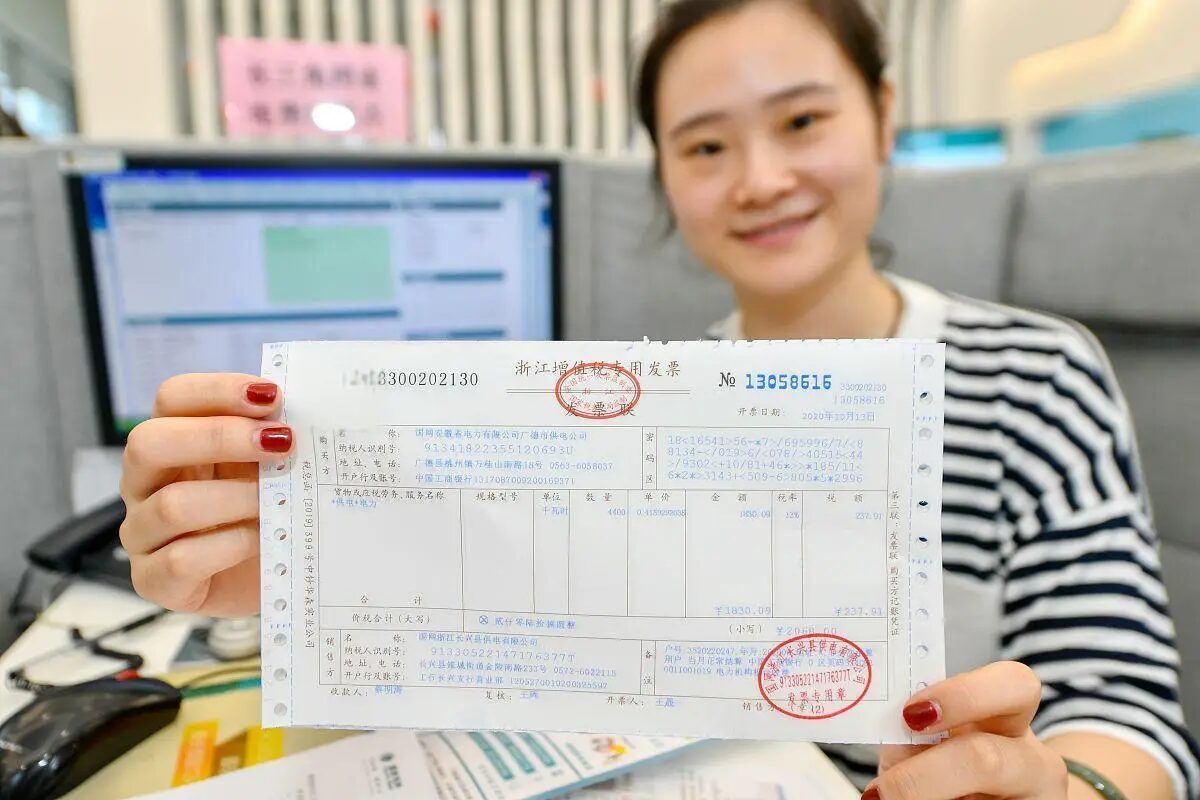 № 05·Explainer
The fapiao trail: VAT invoices as verification evidence in 2026
A fapiao is not a receipt. It is China's official, tax-system-recorded invoice, and as of January 1, 2026 it sits inside the country's first unified VAT Law rather than a set of provisional regulations. Combined with the fully digitalized e-fapiao that went nationwide in December 2024, this means the invoice a supplier issues is now logged in the State Taxation Administration's system in near real time — and can be checked. This week: what separates a fapiao from a receipt, why the special VAT fapiao tells you something a general one does not, and what the fapiao trail can and cannot confirm about the company behind your order.
JUN 05, 2026·6-min read № 04·Regulatory
What changed in NECIPS for 2026: why registry data freshness matters now
The National Enterprise Credit Information Publicity System is the official source the major data platforms draw from — and as of 2026, the capital figures it carries mean more than they used to. China's revised Company Law, in force since July 2024 and implemented through SAMR's company-registration measures since February 2025, put a five-year deadline on paying in subscribed registered capital. This week: what that shift does to the data behind your supplier, why the freshest snapshot lands after each annual filing cycle, and how to read a capital position that is now on a clock.
MAY 29, 2026·6-min read № 03·Regulatory
June 30 deadline: the SAMR annual filing and what buyers should watch
Every mainland-registered Chinese company must file an annual report through the NECIPS registry by June 30, covering the previous calendar year. From early July, that data — ownership structure, capital position, workforce size, abnormal registry status — becomes the freshest public snapshot of your supplier's declared operating state for the year. This week: what the report discloses, what it signals, and three checks worth running once the filing window closes.
MAY 22, 2026·6-min read № 02·Explainer
The verification gap — why platform badges aren't independent checks
Platform badges on Alibaba, Made-in-China.com, and Global Sources are programme audits run by the platform itself, scoped to the platform's commerce — they describe the seller's capability, not the legal entity behind it. This week we walk through what Verified Supplier and Trade Assurance actually cover by their own published terms, what the USTR has put on the public record about platform vetting, and the three operational patterns that platform badges aren't designed to detect.
MAY 15, 2026·7-min read № 01·Explainer
How to read a Chinese business license
A field-by-field guide to the Chinese business license (营业执照) — what USCC, legal representative, registered capital, scope, address, company type, and establishment date actually tell you about a mainland supplier, updated for the 2024 Company Law, and the line where the license stops being informative.
MAY 08, 2026·6-min read
From Sinolinks
From Sinolinks.
Trade Signal is part of Sinolinks' China practice. We work with companies trading with Chinese suppliers — supplier verification, regulatory advisory, market access.
Talk to Sinolinks →